Professional training kit standards: the components and models you need
· 2 min read
Not every slide deck is a training kit. A professional kit is a complete system that serves the trainer, the trainee and the training provider together, built on the principles of instructional design. Here is a summary of what we apply at Roaya.
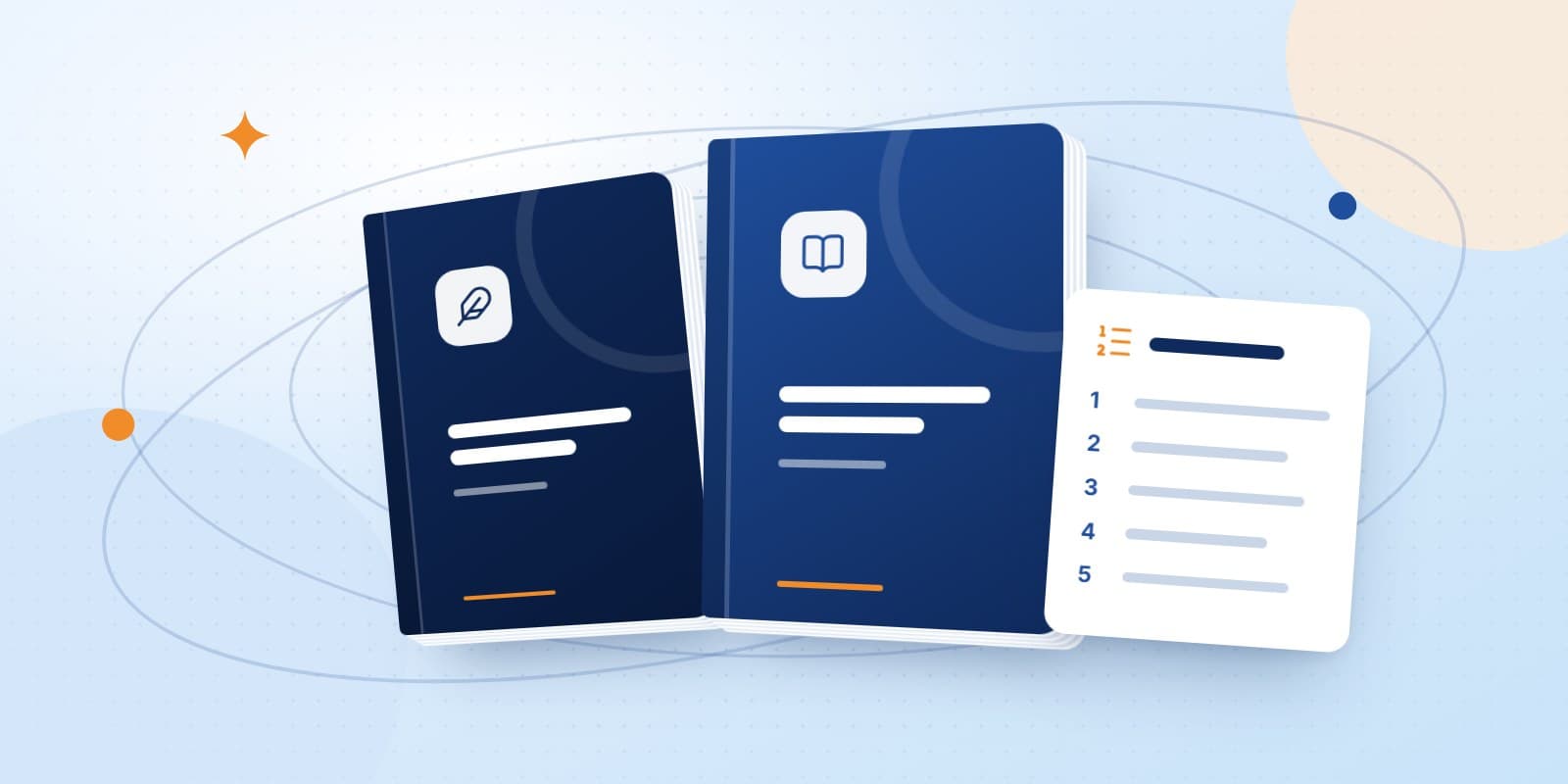
The core components of a kit
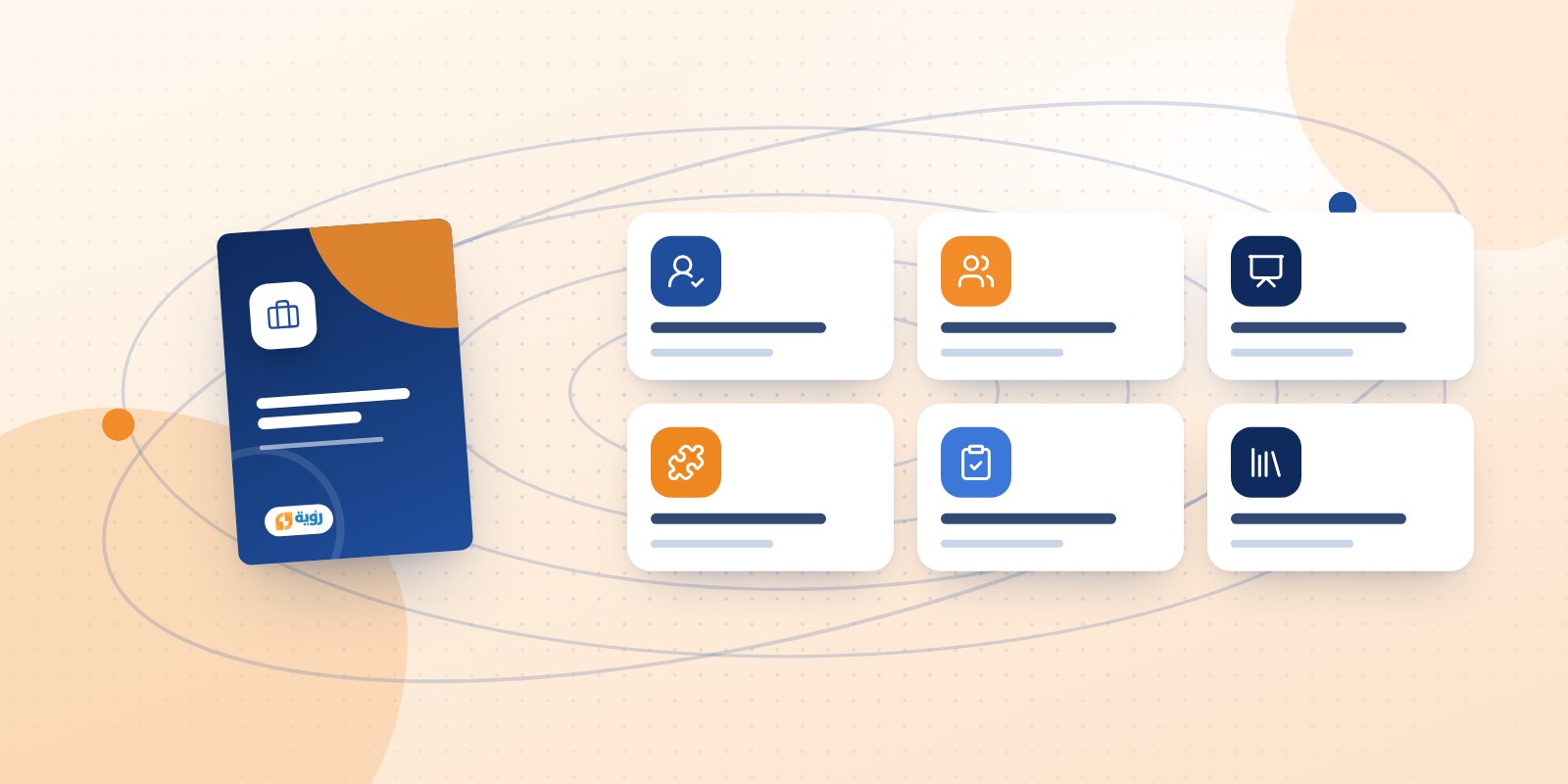
Component | For whom | What it contains |
|---|---|---|
Trainer guide | Trainer | The flow and timing of every session and how to deliver the axes and activities |
Trainee guide | Trainee | The material, exercises and space for notes |
Presentation | The room | Formatted slides covering the kit's axes |
Activities and trainer cards | Both | Individual and group exercises that make learning stick |
Tests and evaluations | Provider | Pre- and post-tests and evaluation forms |
References | Everyone | A documented reference list in a scholarly style such as APA |
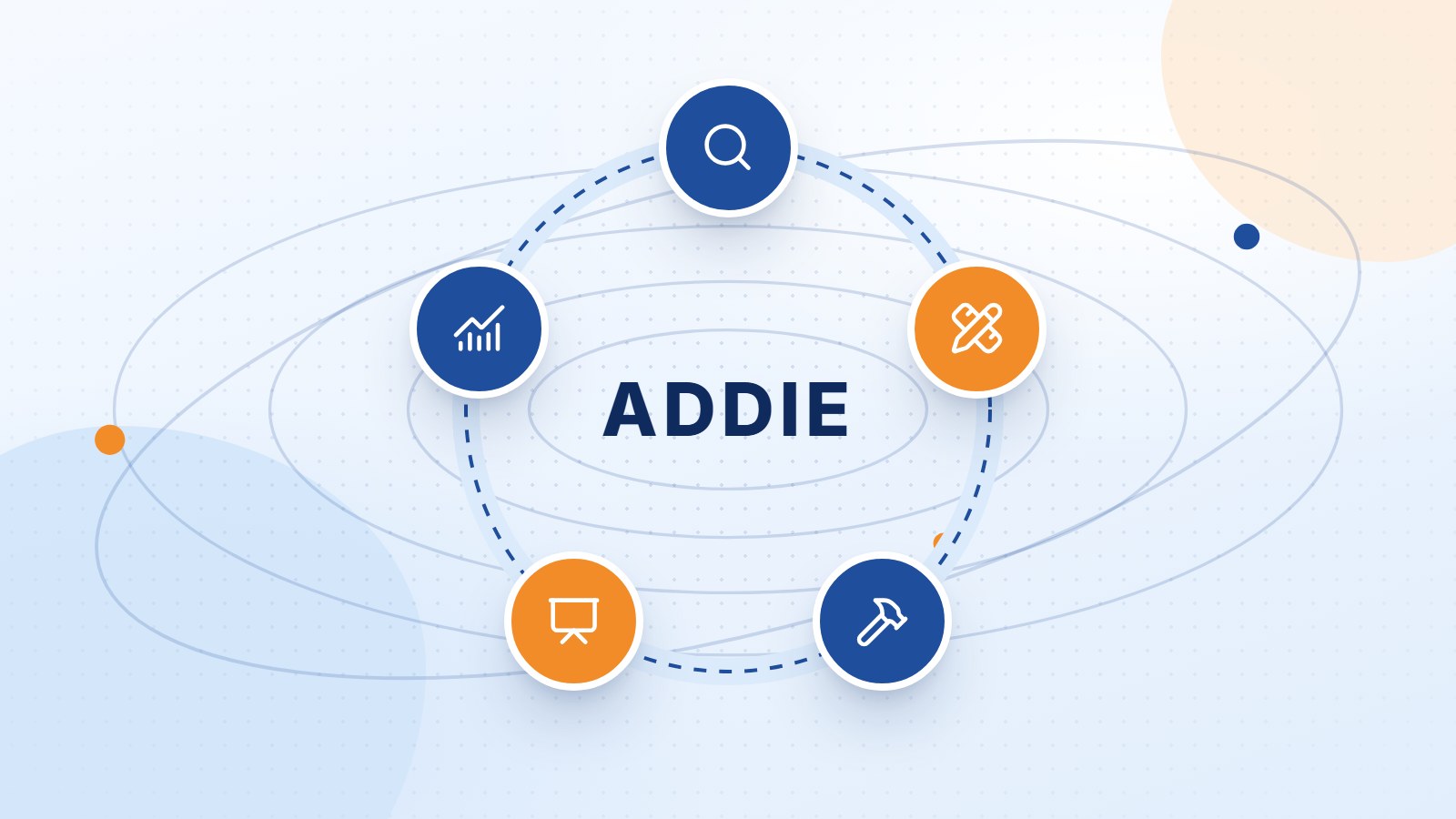
Start with a clear design model: ADDIE
The best-known instructional design model is ADDIE, in five phases:
Analysis: who are the trainees, and what gap are we closing?
Design: objectives, structure and assessment methods.
Development: writing the content and building the activities and slides.
Implementation: delivering the programme.
Evaluation: measuring the results and improving the kit.
Write measurable objectives
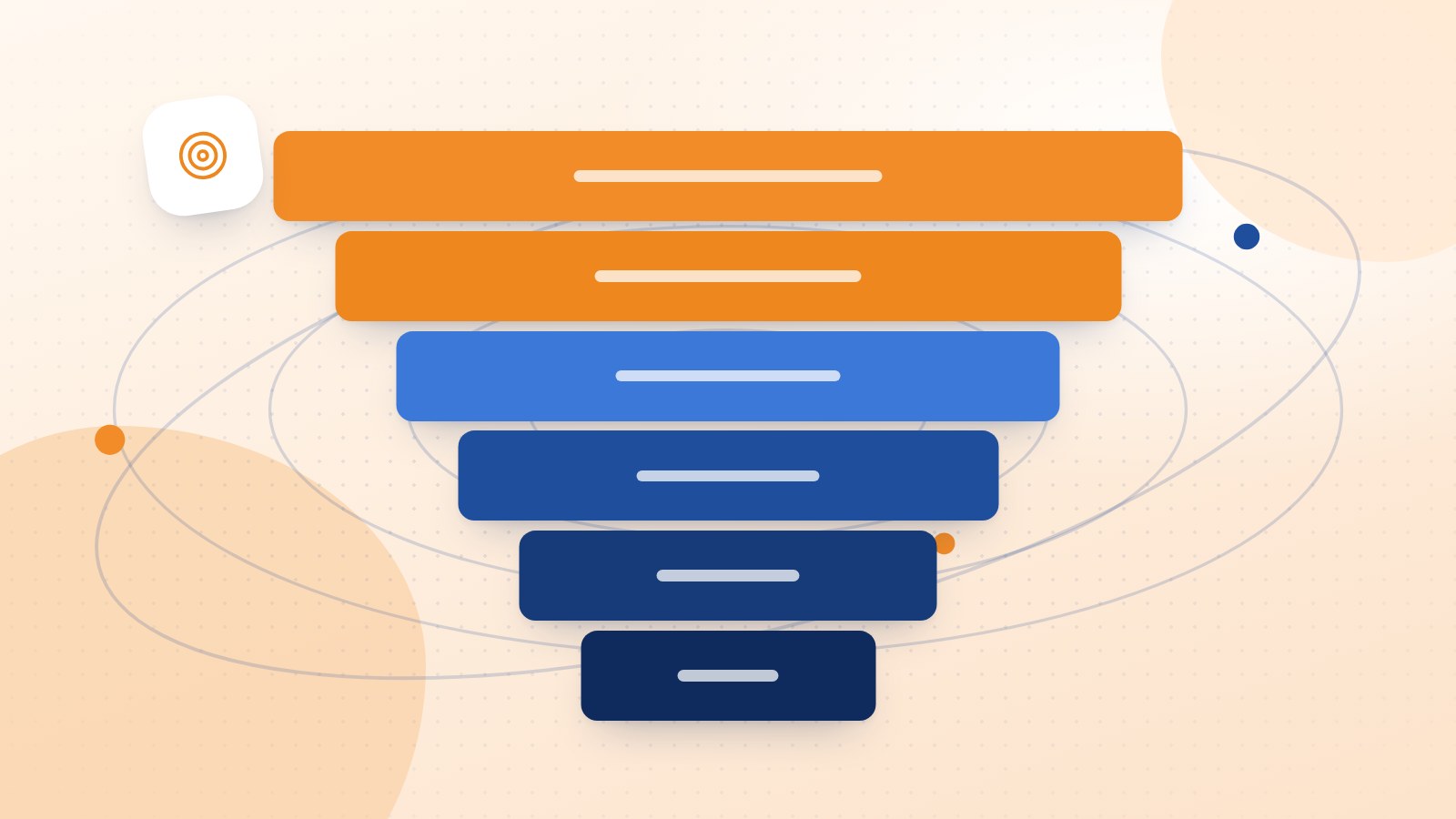
A good objective starts with an observable verb. Bloom's taxonomy helps you move objectives from remembering and understanding to applying and analysing, then evaluating and creating.
Instead of "the trainee understands negotiation skills", write: "the trainee prepares a three-stage negotiation plan for a real work situation".
Measure impact, not just attendance
The Kirkpatrick model proposes four levels of training evaluation: reaction, learning, behaviour and results. A professional kit includes at least tools for the first two (a satisfaction survey and pre-/post-tests) and suggests ways to measure the other two.
A quick checklist before you sign off a kit
Does every session have clear objectives and timing?
Is every activity tied to an objective?
Does the post-test measure the same objectives?
Are the references real and documented?
Is the visual identity consistent across the guides and the deck?
How Roaya helps
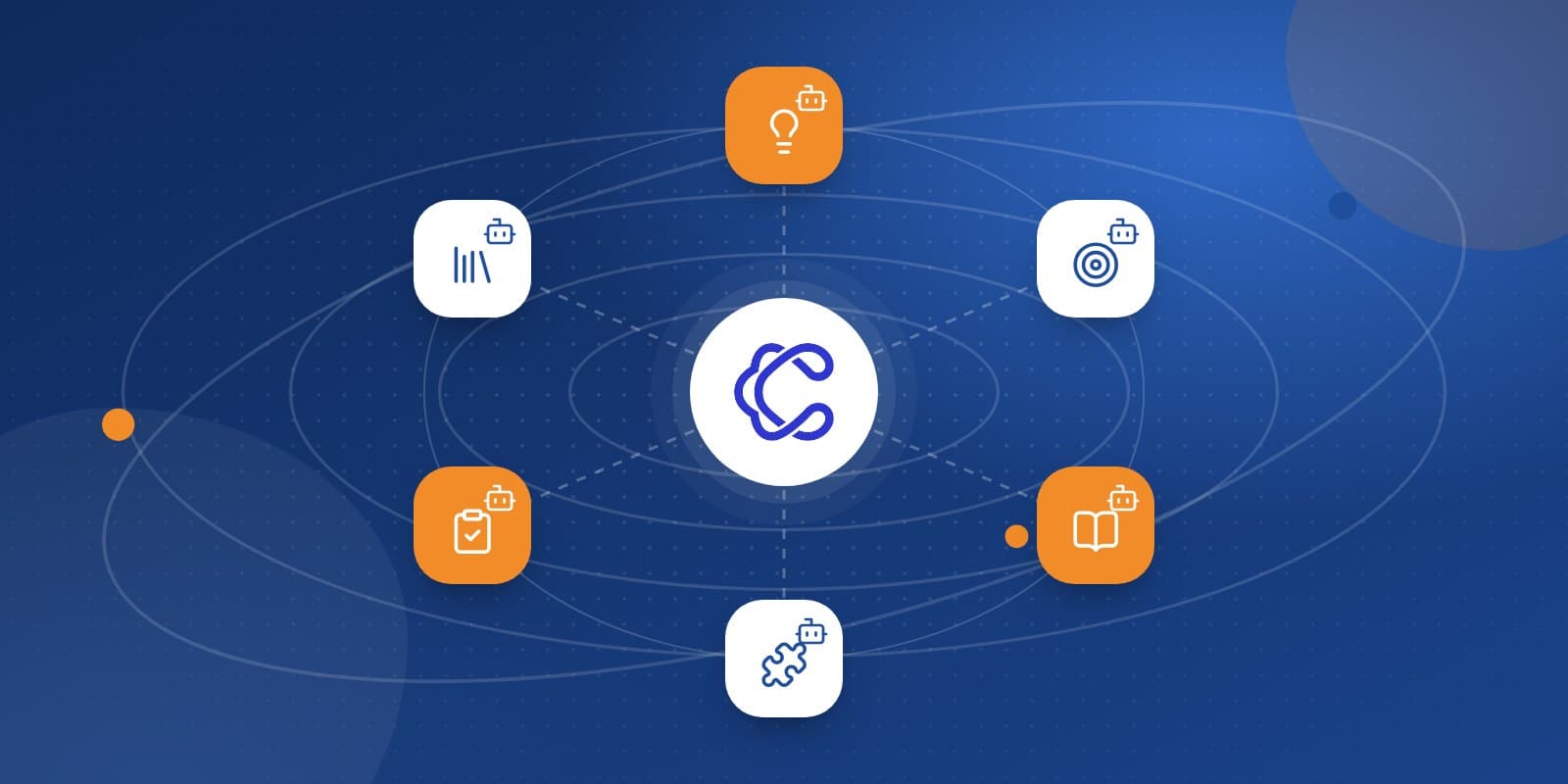
The Roaya library holds thousands of ready kits and presentations across many knowledge pathways. If you need a custom kit for your topic and audience, Conti AI builds it with the same components: trainer and trainee guides, the deck, activities, tests and references.