

Management & HR
Institutional Restructuring Training Kit
A kit on managing organisational change and crises, diagnosing institutional failure, and the concepts, reasons and methods of administrative and financial restructuring.
6 sessions
Crisis and disaster management during the Hajj season is vital to ensuring the safety and comfort of pilgrims while performing the Hajj rites. The Hajj season sees a massive influx of Muslims from all over the world, which poses major challenges for the bodies responsible for organising this great event. Crisis and disaster management aims to plan, coordinate, and prepare to face unexpected events and deal with them effectively when they occur.
The most prominent themes of crisis management during Hajj include:
Planning and preparedness
Awareness and education
Coordination and cooperation between bodies
Evaluation and continuous improvement
Making use of modern technology
All of this contributes to ensuring a safe and successful Hajj experience, and providing a stable environment while pilgrims perform the great rites.
The origins of the word "crisis" go back to a Latin word meaning to decide, from which its modern meaning emerged as a decisive moment requiring a decision at a critical time that may involve difficulty or tension, and that threatens the stability of an individual or an institution.
Crisis management is closely linked to the overall administrative process, as it is a purposeful activity based on collecting and analysing information related to potential events, forecasting their trends, and developing plans to deal with them within a framework of organisation and readiness, in order to reduce their negative effects.
-
An unexpected and undesirable situation that occurs on a limited or wide scale, and requires a rapid response to limit its consequences.
-
A sudden event that causes major destruction and severe human suffering, which may be natural or man-made in cause. Sometimes a disaster leads to the emergence of a crisis, but it is not a crisis in itself.
Such as: unclear instructions or pilgrims ignoring guidance related to Hajj and its timings.
Such as incorrectly estimating the size of the flow of pilgrims, or ignoring weather factors and environmental changes.
The absence of organisation and fair distribution of resources and services, or weak coordination between the bodies concerned, leading to congestion and chaos.
Nausea
Dizziness
Headache
Redness and dryness of the skin
Vomiting
Move the affected person to a shaded or air-conditioned place.
Provide cold water to drink.
Lay the affected person on their back with their feet raised slightly.
Remove excess clothing to cool the body.
In severe cases: call for an ambulance immediately.
Food poisoning occurs as a result of contamination of food or water with infectious agents such as:
Bacteria
Viruses
Parasites
The cause is often poor hygiene, or storing food in unsanitary conditions, or consuming it from unreliable sources.
Maintaining the body's hydration by drinking sufficient amounts of water.
Using painkillers to relieve pain and fever.
Taking appropriate medication based on a medical prescription, such as antibiotics or anti-parasitic drugs.
Amid the coronavirus crisis, the Kingdom made tremendous efforts to ensure a safe Hajj season.
In 2021, with the pandemic and virus variants continuing, the Saudi authorities decided to limit Hajj to only 60,000 pilgrims from within the Kingdom, within precise health and organisational standards, which contributed to limiting the spread of the virus and ensuring the safety of pilgrims.
Health and security staff, Hajj services organisers, and volunteers during the Hajj season.
We keep the content up to date; every download gets the latest version.
A kit on managing organisational change and crises, diagnosing institutional failure, and the concepts, reasons and methods of administrative and financial restructuring.

A kit on advanced performance-measurement skills: writing performance reports, the balanced scorecard stages, 360-degree evaluation, and the principles of institutional excellence.

A kit on the concept, legal basis and principles of administrative investigation under Saudi law, covering disciplinary authorities, the right to confront evidence and to defence, and investigation neutrality.

A kit on the concept, aims and conditions of delegating authority, covering its stages, benefits and drawbacks, and the obstacles that prevent delegation from being effective.

A kit on measuring and evaluating job performance, covering its concept, components, standards and levels, modern evaluation methods, performance indicators, and how to write performance reports.

A kit on the principles and standards of work ethics, covering workplace conduct and values, an individual's duties towards their job, and the impact of work ethics on organisational performance.
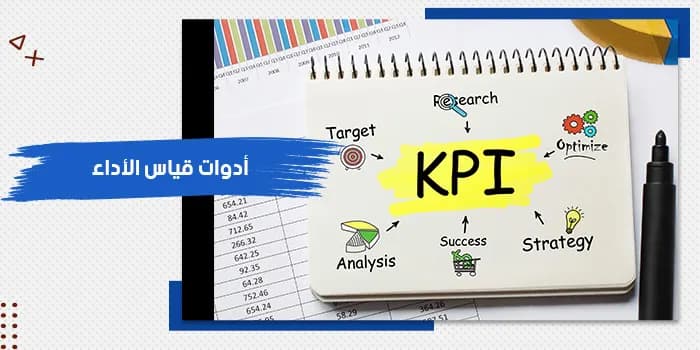
A kit on the tools used to measure and evaluate performance, covering performance indicators, their characteristics and levels, checklists, 360-degree evaluation, and the difficulties of institutional performance measurement.

A kit on the concept, sources and effects of psychological stress, covering its stages, symptoms and causes, relaxation techniques, and work-related stress and how to overcome it.

A kit on ISO 9001 quality management and its role in monitoring quality and managing processes within an institution, covering the aims, requirements and clauses of the standard in education.

A kit on small business entrepreneurship and innovation, covering project planning, success and failure factors, Saudi support for SMEs, and digital marketing strategies and tools.