

Management & HR
Institutional Restructuring Training Kit
A kit on managing organisational change and crises, diagnosing institutional failure, and the concepts, reasons and methods of administrative and financial restructuring.
6 sessions
Research data has been defined in a number of ways by researchers; it is data that is collected, observed or found for purposes of analysis and producing original research results. It is also: the factual records of (texts, images and sounds used) as primary sources for scientific research, which are considered generally accepted and necessary in the scientific community to verify the validity of research results.
Research data can be generated for different purposes and through different tools. Types of research data include the following:
-
This is data that was captured in real time, and usually cannot be dispensed with. Examples include data observing changes in sea level during tides, survey data and sample data.
-
Such as: soil sensor device measurements.
-
Such as: earthquake indicator data.
-
This is data obtained from laboratory equipment, and it is often reproducible, but it can be costly. For example: gene sequencing and magnetic field data.
-
This is data generated from test models, where these models and the metadata are more important than the data output. For example: climate models, economic models.
Derived or translated data:
This is data that is not reproducible but is expensive. For example, data extraction and 3D models.
Academic researchers, librarians, and staff at scientific research centres.
We keep the content up to date; every download gets the latest version.
A kit on managing organisational change and crises, diagnosing institutional failure, and the concepts, reasons and methods of administrative and financial restructuring.
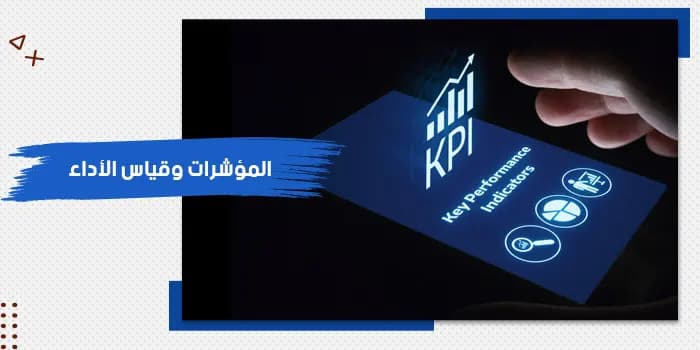
A kit on advanced performance-measurement skills: writing performance reports, the balanced scorecard stages, 360-degree evaluation, and the principles of institutional excellence.

A kit on the concept, legal basis and principles of administrative investigation under Saudi law, covering disciplinary authorities, the right to confront evidence and to defence, and investigation neutrality.

A kit on the concept, aims and conditions of delegating authority, covering its stages, benefits and drawbacks, and the obstacles that prevent delegation from being effective.

A kit on measuring and evaluating job performance, covering its concept, components, standards and levels, modern evaluation methods, performance indicators, and how to write performance reports.

A kit on the principles and standards of work ethics, covering workplace conduct and values, an individual's duties towards their job, and the impact of work ethics on organisational performance.
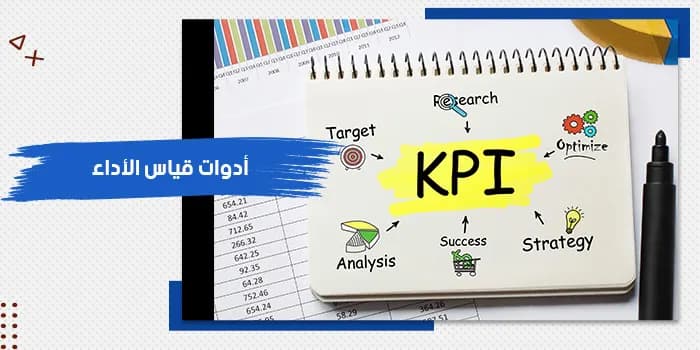
A kit on the tools used to measure and evaluate performance, covering performance indicators, their characteristics and levels, checklists, 360-degree evaluation, and the difficulties of institutional performance measurement.

A kit on the concept, sources and effects of psychological stress, covering its stages, symptoms and causes, relaxation techniques, and work-related stress and how to overcome it.

A kit on ISO 9001 quality management and its role in monitoring quality and managing processes within an institution, covering the aims, requirements and clauses of the standard in education.

A kit on small business entrepreneurship and innovation, covering project planning, success and failure factors, Saudi support for SMEs, and digital marketing strategies and tools.