

Management & HR
Institutional Restructuring Training Kit
A kit on managing organisational change and crises, diagnosing institutional failure, and the concepts, reasons and methods of administrative and financial restructuring.
6 sessions
Administrative creativity has become highly important for all institutions and is no longer limited to a specific type of institution, whether private or profit-oriented, as a result of the rapid changes that have occurred in this era in the world, among these changes being the fierce and intense competition between companies to capture markets and customers.
It serves as a guide for management and staff, forming for them models of behaviour and relationships that must be followed and used as guidance.
It is an intellectual framework that directs the members of a single organisation and regulates their work, relationships, and achievements.
Workers in organisations do not perform their roles individually, but within a single organisational framework.
Organisational culture is considered one of the distinguishing features of an organisation from other organisations, and it is also a source of pride and esteem for its workers, especially if it affirms certain values such as innovation, excellence, and leadership.
A strong culture is considered an effective element supporting management, and helps it achieve its goals and aspirations.
A strong culture eases the task of management and managers, so they do not resort to formal or strict procedures to enforce the required behaviour.
A strong culture is considered a competitive advantage for the organisation if it affirms ethical behaviours, such as dedication to work, but it may become harmful if it affirms routine behaviours, such as blind obedience and literal adherence to formalities.
An organisation's culture is considered an important factor in attracting suitable employees, as leading organisations attract ambitious employees, and organisations that build values of innovation and excellence appeal to creative employees, and organisations that reward excellence and development are joined by diligent employees who have a heightened drive for self-consistency.
Culture is considered a fundamental element that affects an organisation's capacity for change and its ability to keep pace with the developments occurring around it.
Managers and administrative leaders, department heads, and employees aspiring to leadership roles.
We keep the content up to date; every download gets the latest version.
A kit on managing organisational change and crises, diagnosing institutional failure, and the concepts, reasons and methods of administrative and financial restructuring.
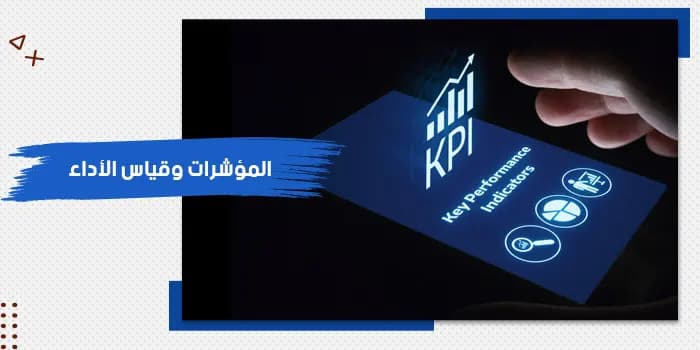
A kit on advanced performance-measurement skills: writing performance reports, the balanced scorecard stages, 360-degree evaluation, and the principles of institutional excellence.

A kit on the concept, legal basis and principles of administrative investigation under Saudi law, covering disciplinary authorities, the right to confront evidence and to defence, and investigation neutrality.

A kit on the concept, aims and conditions of delegating authority, covering its stages, benefits and drawbacks, and the obstacles that prevent delegation from being effective.

A kit on measuring and evaluating job performance, covering its concept, components, standards and levels, modern evaluation methods, performance indicators, and how to write performance reports.

A kit on the principles and standards of work ethics, covering workplace conduct and values, an individual's duties towards their job, and the impact of work ethics on organisational performance.
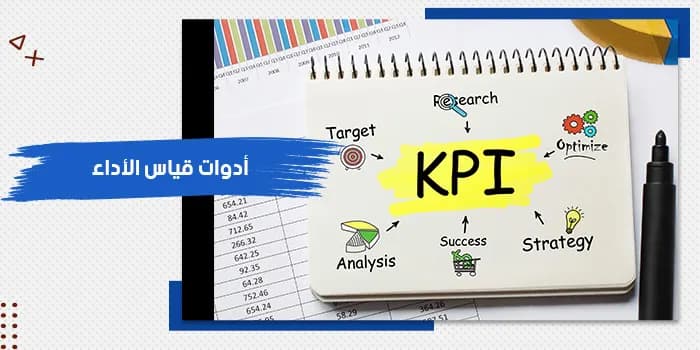
A kit on the tools used to measure and evaluate performance, covering performance indicators, their characteristics and levels, checklists, 360-degree evaluation, and the difficulties of institutional performance measurement.

A kit on the concept, sources and effects of psychological stress, covering its stages, symptoms and causes, relaxation techniques, and work-related stress and how to overcome it.

A kit on ISO 9001 quality management and its role in monitoring quality and managing processes within an institution, covering the aims, requirements and clauses of the standard in education.

A kit on small business entrepreneurship and innovation, covering project planning, success and failure factors, Saudi support for SMEs, and digital marketing strategies and tools.