

Management & HR
Institutional Restructuring Training Kit
A kit on managing organisational change and crises, diagnosing institutional failure, and the concepts, reasons and methods of administrative and financial restructuring.
6 sessions
One of the best ways to avoid shortcomings in the field of business, and at the same time an important driver of performance in business activity, is for the establishment to have an effective internal control system, through which risks can be confronted, and value can be added to the establishment and preserved. In many cases, successful establishments know how to seize opportunities and benefit from their advantages, and how to face threats and deal with them.
It is the follow-up, observation, and evaluation of actions and things by the individual themselves or by others, with the aim of ensuring that they are carried out according to rules and regulations, and identifying deviations in preparation for addressing and eliminating them.
It is the organisational plan and the other measures and procedures that a unit puts in place to protect its assets, ensure accounting accuracy, improve productive efficiency, and encourage adherence to management policies set in advance.
Internal control represents an important element in an establishment's governance system and its ability to manage risk, and it is the foundation that supports the achievement of the establishment's objectives and the enhancement and protection of its value.
According to personal interviews conducted by the International Federation of Accountants with a group of distinguished leaders in the business world, ensuring the existence of an effective and integrated system for risk management and internal control must be the main and fundamental part of the overall oversight exercised by the regulatory body.
Internal auditors, financial and administrative managers, and governance officers.
We keep the content up to date; every download gets the latest version.
A kit on managing organisational change and crises, diagnosing institutional failure, and the concepts, reasons and methods of administrative and financial restructuring.
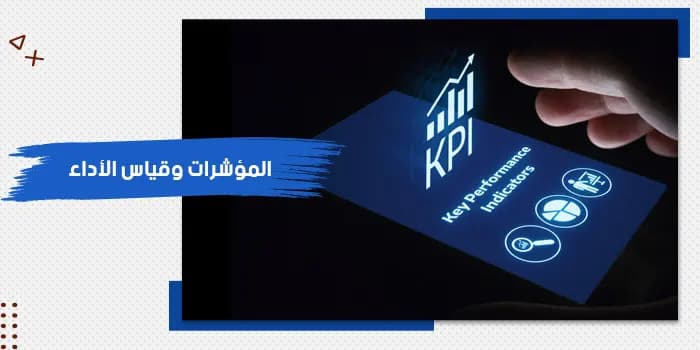
A kit on advanced performance-measurement skills: writing performance reports, the balanced scorecard stages, 360-degree evaluation, and the principles of institutional excellence.

A kit on the concept, legal basis and principles of administrative investigation under Saudi law, covering disciplinary authorities, the right to confront evidence and to defence, and investigation neutrality.

A kit on the concept, aims and conditions of delegating authority, covering its stages, benefits and drawbacks, and the obstacles that prevent delegation from being effective.

A kit on measuring and evaluating job performance, covering its concept, components, standards and levels, modern evaluation methods, performance indicators, and how to write performance reports.

A kit on the principles and standards of work ethics, covering workplace conduct and values, an individual's duties towards their job, and the impact of work ethics on organisational performance.
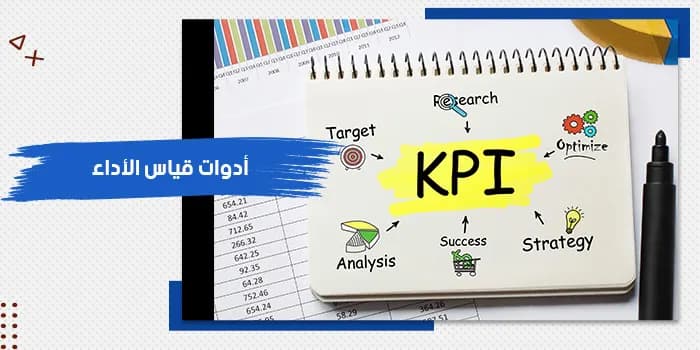
A kit on the tools used to measure and evaluate performance, covering performance indicators, their characteristics and levels, checklists, 360-degree evaluation, and the difficulties of institutional performance measurement.

A kit on the concept, sources and effects of psychological stress, covering its stages, symptoms and causes, relaxation techniques, and work-related stress and how to overcome it.

A kit on ISO 9001 quality management and its role in monitoring quality and managing processes within an institution, covering the aims, requirements and clauses of the standard in education.

A kit on small business entrepreneurship and innovation, covering project planning, success and failure factors, Saudi support for SMEs, and digital marketing strategies and tools.