

Management & HR
Institutional Restructuring Training Kit
A kit on managing organisational change and crises, diagnosing institutional failure, and the concepts, reasons and methods of administrative and financial restructuring.
6 sessions
Fire can be very dangerous. Not only can it destroy property, but it can take lives. The potential for fire in the workplace is not something to take lightly. The workplace can be a very vulnerable environment considering the number of people usually present in the facility.
Concerning Oil and Gas industries, from a distance, it’s easy to see that oil and gas sites look different than most general industry sites. But even though the work being done at oil and gas sites is very labour-intensive and presents multiple hazards, the risks that these employees face each day are not unique.
The top causes of injuries in the oil and gas industry are similar to those found in the general industry. However, the injury rate for oil and gas workers is seven times higher than in other industries, according to the CDC. Recognizing the top hazards causing fatalities and injuries is the first step in developing plans, procedures, and training that prevent these incidents.
One of these dangers is fires and explosions as open flames, idling engines, site lighting, and hot work are a few of the fire and ignition hazards that may be easy to spot at oil and gas sites. Other hazards such as flammable vapors and hydrogen sulfide can be easy to smell. But those aren’t the only fire and explosion hazards at oil and gas sites. Static electricity and changing weather conditions don’t have a smell; they can be harder to predict, but they can also contribute to fires and explosion risks.
Flammable vapors can be released from wellbores, holding tanks, shale shakers, production equipment, generators, and vehicles. The higher the prevalence of these vapors, the higher the likelihood that an ignition source such as static, lightning, tools, hot surfaces, or frictional heat can be enough to spark an explosion or start a fire.
It is essential that workers in such oil and gas industries are able to work as safely as possible. Working in such industries is inherently dangerous because crude oil and natural gas are volatile and must be handled with extreme care. The following are some case studies on fire and explosions that occurred in the United States of America.
Staff in industrial workplaces, safety officers, and facility owners.
We keep the content up to date; every download gets the latest version.
A kit on managing organisational change and crises, diagnosing institutional failure, and the concepts, reasons and methods of administrative and financial restructuring.
A kit on advanced performance-measurement skills: writing performance reports, the balanced scorecard stages, 360-degree evaluation, and the principles of institutional excellence.

A kit on the concept, legal basis and principles of administrative investigation under Saudi law, covering disciplinary authorities, the right to confront evidence and to defence, and investigation neutrality.

A kit on the concept, aims and conditions of delegating authority, covering its stages, benefits and drawbacks, and the obstacles that prevent delegation from being effective.

A kit on measuring and evaluating job performance, covering its concept, components, standards and levels, modern evaluation methods, performance indicators, and how to write performance reports.

A kit on the principles and standards of work ethics, covering workplace conduct and values, an individual's duties towards their job, and the impact of work ethics on organisational performance.
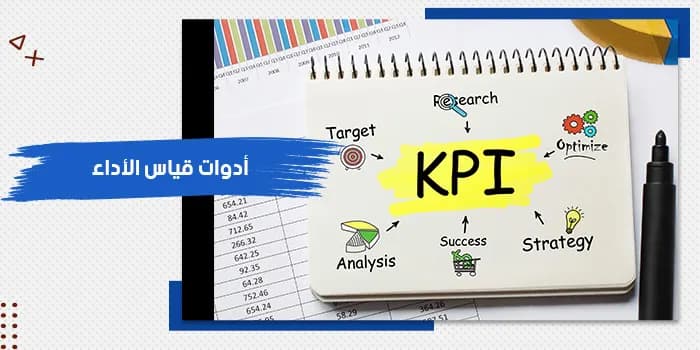
A kit on the tools used to measure and evaluate performance, covering performance indicators, their characteristics and levels, checklists, 360-degree evaluation, and the difficulties of institutional performance measurement.

A kit on the concept, sources and effects of psychological stress, covering its stages, symptoms and causes, relaxation techniques, and work-related stress and how to overcome it.

A kit on ISO 9001 quality management and its role in monitoring quality and managing processes within an institution, covering the aims, requirements and clauses of the standard in education.

A kit on small business entrepreneurship and innovation, covering project planning, success and failure factors, Saudi support for SMEs, and digital marketing strategies and tools.