

Management & HR
Institutional Restructuring Training Kit
A kit on managing organisational change and crises, diagnosing institutional failure, and the concepts, reasons and methods of administrative and financial restructuring.
6 sessions
The Japanese administrative system is characterised by a number of administrative qualities and elements that make it distinct from other administrative systems, and despite differing viewpoints regarding the similarity or dissimilarity of these characteristics with their counterparts in the United States of America and Western European countries, what cannot be disputed is that the way Japanese systems and policies are applied and operated, under the organisational framework, climate, and Japanese cultural values, differs from what is applied in American management.
Japanese management is one of the modern management theories that achieved remarkable success, devised by the Japanese scientist William Ouchi, presented in the book "Theory Z", and as a result Japanese companies achieved greater productivity than American companies.
Japanese management is the ways of thinking and the administrative systems formed based on the concepts and features of Japanese culture.
Japanese management is one of the factors of success and development in Japan, and it is distinguished by its pioneering experience, not only at the local and regional level, but at the global level as well.
This administrative distinction comes with its various formative, intellectual, and applied elements, as Japan's administrative behaviour has become a source of inspiration for many distinguished companies around the world.
Managers and department heads, researchers in comparative management, and anyone interested in crisis and quality management.
We keep the content up to date; every download gets the latest version.
A kit on managing organisational change and crises, diagnosing institutional failure, and the concepts, reasons and methods of administrative and financial restructuring.

A kit on advanced performance-measurement skills: writing performance reports, the balanced scorecard stages, 360-degree evaluation, and the principles of institutional excellence.

A kit on the concept, legal basis and principles of administrative investigation under Saudi law, covering disciplinary authorities, the right to confront evidence and to defence, and investigation neutrality.

A kit on the concept, aims and conditions of delegating authority, covering its stages, benefits and drawbacks, and the obstacles that prevent delegation from being effective.

A kit on measuring and evaluating job performance, covering its concept, components, standards and levels, modern evaluation methods, performance indicators, and how to write performance reports.

A kit on the principles and standards of work ethics, covering workplace conduct and values, an individual's duties towards their job, and the impact of work ethics on organisational performance.
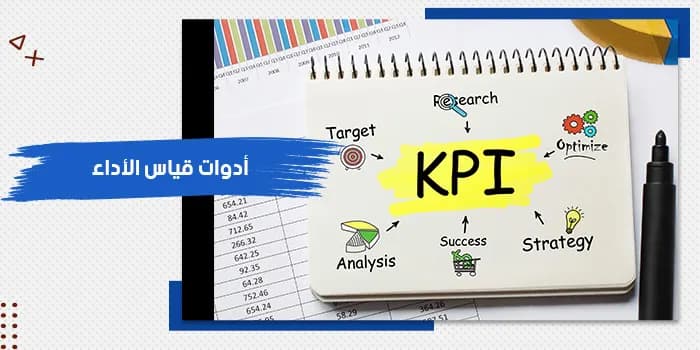
A kit on the tools used to measure and evaluate performance, covering performance indicators, their characteristics and levels, checklists, 360-degree evaluation, and the difficulties of institutional performance measurement.

A kit on the concept, sources and effects of psychological stress, covering its stages, symptoms and causes, relaxation techniques, and work-related stress and how to overcome it.

A kit on ISO 9001 quality management and its role in monitoring quality and managing processes within an institution, covering the aims, requirements and clauses of the standard in education.

A kit on small business entrepreneurship and innovation, covering project planning, success and failure factors, Saudi support for SMEs, and digital marketing strategies and tools.