

Management & HR
Institutional Restructuring Training Kit
A kit on managing organisational change and crises, diagnosing institutional failure, and the concepts, reasons and methods of administrative and financial restructuring.
6 sessions
Conflicts and disputes within institutions are an inseparable part of professional life. When individuals deal with different ideas, opinions and goals, tensions and conflicts may arise that affect individual and collective performance, and consequently the success of the institution in general. This is why managing conflict within institutions is so important.
Conflict has two dimensions that can be distinguished between: a negative dimension and a positive one. While it is easy to grasp the negative side of conflict through its common and firmly established association in people's minds with attempts at destruction, exploitation, or imposing a solution on another party or parties, the positive dimension of conflict generally refers to that aspect represented by "driving towards action, or establishing communication, solving problems, and positive exchange between the parties concerned".
Scarcity of resources
Lack of clarity in the boundaries of responsibility
Weak communication processes
Personal differences
Differences in power and status
Differences in goals
Conflict at the individual level
Conflict among members of a group
Conflict between groups
Conflict at the organisational level
Managers and department heads, human resources staff, and employees responsible for managing teams.
We keep the content up to date; every download gets the latest version.
A kit on managing organisational change and crises, diagnosing institutional failure, and the concepts, reasons and methods of administrative and financial restructuring.
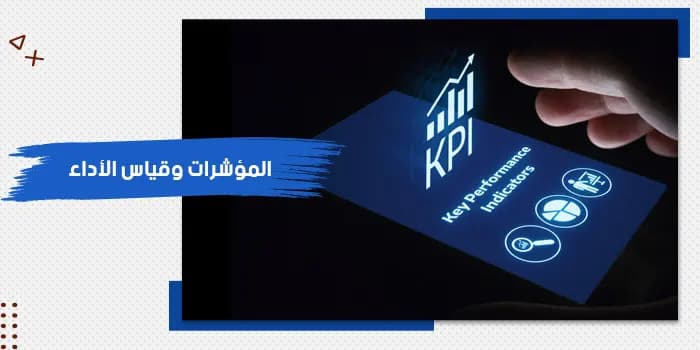
A kit on advanced performance-measurement skills: writing performance reports, the balanced scorecard stages, 360-degree evaluation, and the principles of institutional excellence.

A kit on the concept, legal basis and principles of administrative investigation under Saudi law, covering disciplinary authorities, the right to confront evidence and to defence, and investigation neutrality.

A kit on the concept, aims and conditions of delegating authority, covering its stages, benefits and drawbacks, and the obstacles that prevent delegation from being effective.

A kit on measuring and evaluating job performance, covering its concept, components, standards and levels, modern evaluation methods, performance indicators, and how to write performance reports.

A kit on the principles and standards of work ethics, covering workplace conduct and values, an individual's duties towards their job, and the impact of work ethics on organisational performance.
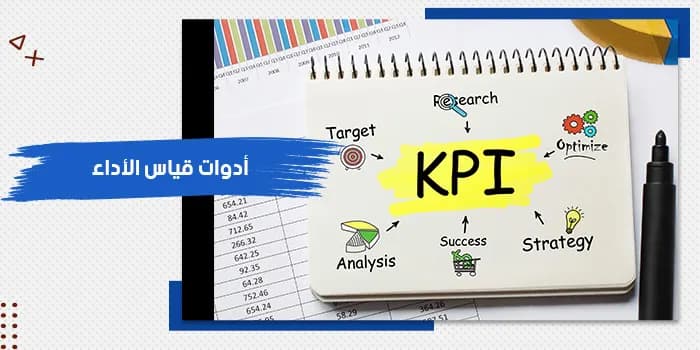
A kit on the tools used to measure and evaluate performance, covering performance indicators, their characteristics and levels, checklists, 360-degree evaluation, and the difficulties of institutional performance measurement.

A kit on the concept, sources and effects of psychological stress, covering its stages, symptoms and causes, relaxation techniques, and work-related stress and how to overcome it.

A kit on ISO 9001 quality management and its role in monitoring quality and managing processes within an institution, covering the aims, requirements and clauses of the standard in education.

A kit on small business entrepreneurship and innovation, covering project planning, success and failure factors, Saudi support for SMEs, and digital marketing strategies and tools.