

Management & HR
Institutional Restructuring Training Kit
A kit on managing organisational change and crises, diagnosing institutional failure, and the concepts, reasons and methods of administrative and financial restructuring.
6 sessions
Training Kit on Self-Leadership
Self-leadership is the process of achieving balance and control in your personal and professional life by directing and managing yourself. It is the ability to set goals, make sound decisions, and develop the skills needed
to achieve success and satisfaction in your life. Self-leadership requires self-awareness, discipline, and dedication to continuous improvement. The concept of self-esteem:
It is an individual's evaluation of themselves and their sense of respect, worth and competence. Self-esteem includes a person's beliefs about themselves (for example: "I am competent" or "I am worthy") in addition to emotional states such as
triumph, despair, pride, and shame.
Self-esteem is defined as a person's sense of their own worth and their appreciation of it. It is a personal trait made up of a set of beliefs about oneself, such as a person's evaluation of and view of their appearance, emotions, and behaviours. It plays a role in motivating a person and their success at various stages of their life.
The Johari Window is a framework that allows individuals to enhance their understanding of themselves and of others within a single group or between different groups. The model is based on two basic ideas:
You are more likely to trust people if you understand them better.
You are more likely to trust yourself if you understand yourself better.
Teams work to complete the Johari Window by filling in four quadrants, each of which reveals something they do not know about themselves or about others.
Self-confidence: the individual expresses their opinions and feelings clearly.
Optimism: the individual expects positive outcomes from their actions.
Perseverance: the individual exerts great effort to achieve their goals.
1. Set aside time for thinking and reflection:
Reserve time daily or weekly to think calmly and reflect on yourself, your experiences and your goals. You can use this time to analyse and think about your personal challenges and aspirations.
2. Daily writing:
Practise daily writing to record your thoughts, feelings and experiences. You can write about events that affect you, the challenges you face, and the goals you wish to achieve. This will help you to understand yourself and your direction more deeply.
3. Continuous reading and learning:
Read books, articles and resources related to self-development and self-understanding. You may wish to study psychology, philosophy, personal development, human relations, and other related fields.
Employees and leaders, students, and anyone interested in self-development.
We keep the content up to date; every download gets the latest version.
A kit on managing organisational change and crises, diagnosing institutional failure, and the concepts, reasons and methods of administrative and financial restructuring.
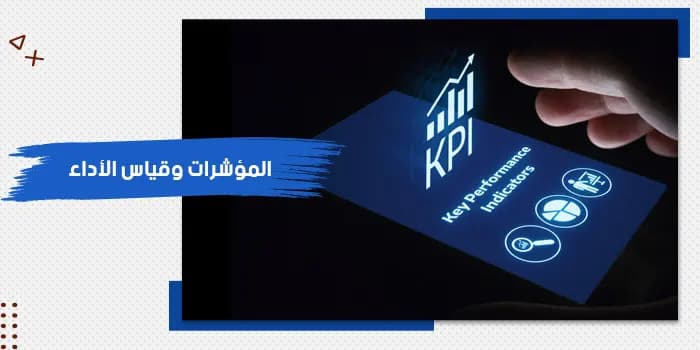
A kit on advanced performance-measurement skills: writing performance reports, the balanced scorecard stages, 360-degree evaluation, and the principles of institutional excellence.

A kit on the concept, legal basis and principles of administrative investigation under Saudi law, covering disciplinary authorities, the right to confront evidence and to defence, and investigation neutrality.

A kit on the concept, aims and conditions of delegating authority, covering its stages, benefits and drawbacks, and the obstacles that prevent delegation from being effective.

A kit on measuring and evaluating job performance, covering its concept, components, standards and levels, modern evaluation methods, performance indicators, and how to write performance reports.

A kit on the principles and standards of work ethics, covering workplace conduct and values, an individual's duties towards their job, and the impact of work ethics on organisational performance.
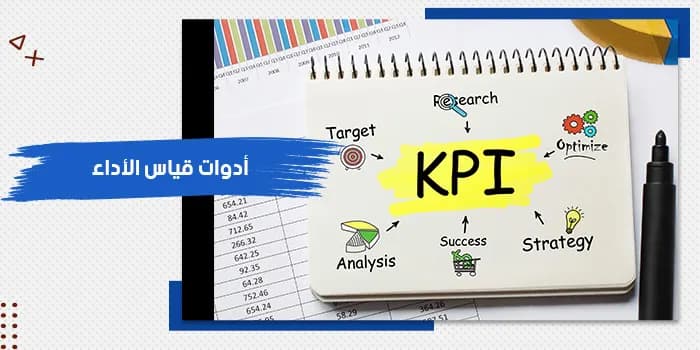
A kit on the tools used to measure and evaluate performance, covering performance indicators, their characteristics and levels, checklists, 360-degree evaluation, and the difficulties of institutional performance measurement.

A kit on the concept, sources and effects of psychological stress, covering its stages, symptoms and causes, relaxation techniques, and work-related stress and how to overcome it.

A kit on ISO 9001 quality management and its role in monitoring quality and managing processes within an institution, covering the aims, requirements and clauses of the standard in education.

A kit on small business entrepreneurship and innovation, covering project planning, success and failure factors, Saudi support for SMEs, and digital marketing strategies and tools.