

Management & HR
Institutional Restructuring Training Kit
A kit on managing organisational change and crises, diagnosing institutional failure, and the concepts, reasons and methods of administrative and financial restructuring.
6 sessions
The formal letter is any letter written in professional language with a specific format for an official purpose, meaning it can be a recommendation letter, an inquiry letter, a complaint letter, an appointment letter, and all business letters are formal, but the reverse is not possible. These letters are used for several reasons, such as a formal invitation, a job offer, a reference, submitting a complaint or inquiry, and applying for a job.
Informal letters are letters written to someone, and can be used for some reasons such as conveying a message, news, offering advice, congratulating the recipient, requesting information, asking questions, and so on. It is a personal letter written to someone who knows the sender, such as friends, siblings, parents, or any other relation. There is no specific format for writing this letter. When writing an informal letter, one can write it in a friendly manner and use a personal or emotional style. Slang or colloquial terms, symbols, and abbreviations can also be used, depending on familiarity with the recipient.
The formal letter consists of basic parts: (the header - the inside address - the salutation - the body of the letter - the conclusion - the signature).
Writing the date
The name and position of the addressee.
The name of the entity he represents.
The greeting.
The summary of the subject.
The details of the subject.
The greeting.
The sender's name, address, and signature.
Administrative staff, office secretaries, and IT staff.
We keep the content up to date; every download gets the latest version.
A kit on managing organisational change and crises, diagnosing institutional failure, and the concepts, reasons and methods of administrative and financial restructuring.
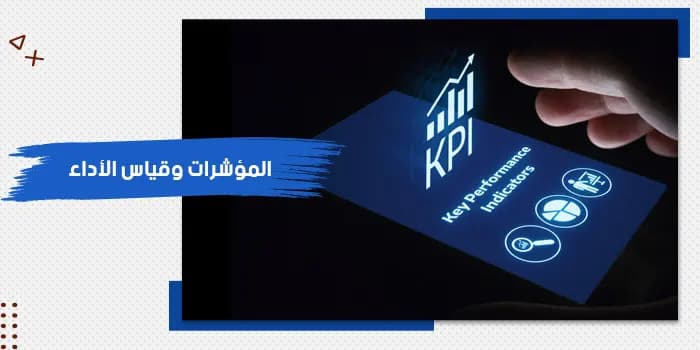
A kit on advanced performance-measurement skills: writing performance reports, the balanced scorecard stages, 360-degree evaluation, and the principles of institutional excellence.

A kit on the concept, legal basis and principles of administrative investigation under Saudi law, covering disciplinary authorities, the right to confront evidence and to defence, and investigation neutrality.

A kit on the concept, aims and conditions of delegating authority, covering its stages, benefits and drawbacks, and the obstacles that prevent delegation from being effective.

A kit on measuring and evaluating job performance, covering its concept, components, standards and levels, modern evaluation methods, performance indicators, and how to write performance reports.

A kit on the principles and standards of work ethics, covering workplace conduct and values, an individual's duties towards their job, and the impact of work ethics on organisational performance.
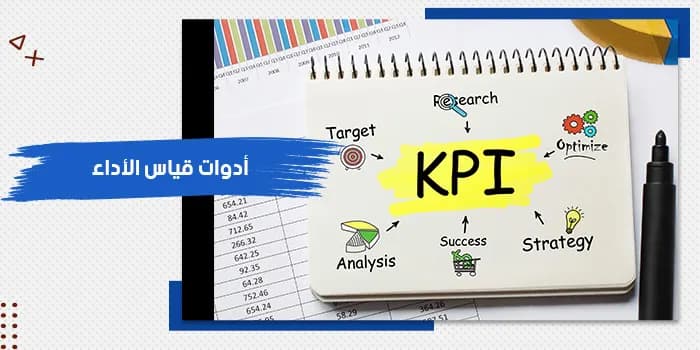
A kit on the tools used to measure and evaluate performance, covering performance indicators, their characteristics and levels, checklists, 360-degree evaluation, and the difficulties of institutional performance measurement.

A kit on the concept, sources and effects of psychological stress, covering its stages, symptoms and causes, relaxation techniques, and work-related stress and how to overcome it.

A kit on ISO 9001 quality management and its role in monitoring quality and managing processes within an institution, covering the aims, requirements and clauses of the standard in education.

A kit on small business entrepreneurship and innovation, covering project planning, success and failure factors, Saudi support for SMEs, and digital marketing strategies and tools.