

Management & HR
Institutional Restructuring Training Kit
A kit on managing organisational change and crises, diagnosing institutional failure, and the concepts, reasons and methods of administrative and financial restructuring.
6 sessions
After an entrepreneur finds a potential business opportunity, they must draw up a business plan for the new venture. So what should the new plan include? And how does the entrepreneur ensure their plan is able to attract the attention of potential investors?
Business plans must include several crucial elements: they must clearly express a need in the market, address the risks inherent to the venture, and estimate potential returns and profits.
A business plan is a document consisting of several pages that describes, analyses, and evaluates the project you wish to have funded by some party. This document provides the reader, usually an investor, with highly important information about you, the entrepreneur, the market you intend to enter, the product you wish to launch, your entry strategy, the financial prospects, and the risks faced by anyone who invests in the project.
The business plan, or Action Plan, includes the following elements:
A clear description of the goal to be achieved.
The tasks/steps that must be carried out to reach the goal.
The people who will be responsible for carrying out each task.
The completion dates for these tasks and their delivery deadlines.
The resources needed to complete the tasks.
The measures needed to evaluate the amount of progress made.
The great thing about putting everything in one place is that it makes it easy to track progress and plan things effectively. Furthermore, you should know that the business plan is not something fixed; as your organisation grows or surrounding circumstances change, you will need to reconsider and make adjustments to the plan to meet new needs.
Entrepreneurs and start-up founders, and those interested in preparing business plans.
We keep the content up to date; every download gets the latest version.
A kit on managing organisational change and crises, diagnosing institutional failure, and the concepts, reasons and methods of administrative and financial restructuring.

A kit on advanced performance-measurement skills: writing performance reports, the balanced scorecard stages, 360-degree evaluation, and the principles of institutional excellence.

A kit on the concept, legal basis and principles of administrative investigation under Saudi law, covering disciplinary authorities, the right to confront evidence and to defence, and investigation neutrality.

A kit on the concept, aims and conditions of delegating authority, covering its stages, benefits and drawbacks, and the obstacles that prevent delegation from being effective.

A kit on measuring and evaluating job performance, covering its concept, components, standards and levels, modern evaluation methods, performance indicators, and how to write performance reports.

A kit on the principles and standards of work ethics, covering workplace conduct and values, an individual's duties towards their job, and the impact of work ethics on organisational performance.
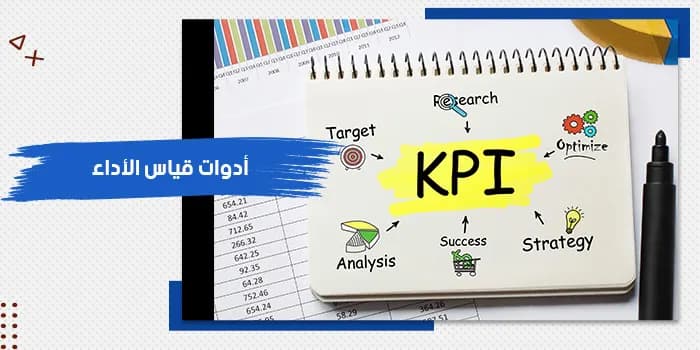
A kit on the tools used to measure and evaluate performance, covering performance indicators, their characteristics and levels, checklists, 360-degree evaluation, and the difficulties of institutional performance measurement.

A kit on the concept, sources and effects of psychological stress, covering its stages, symptoms and causes, relaxation techniques, and work-related stress and how to overcome it.

A kit on ISO 9001 quality management and its role in monitoring quality and managing processes within an institution, covering the aims, requirements and clauses of the standard in education.

A kit on small business entrepreneurship and innovation, covering project planning, success and failure factors, Saudi support for SMEs, and digital marketing strategies and tools.